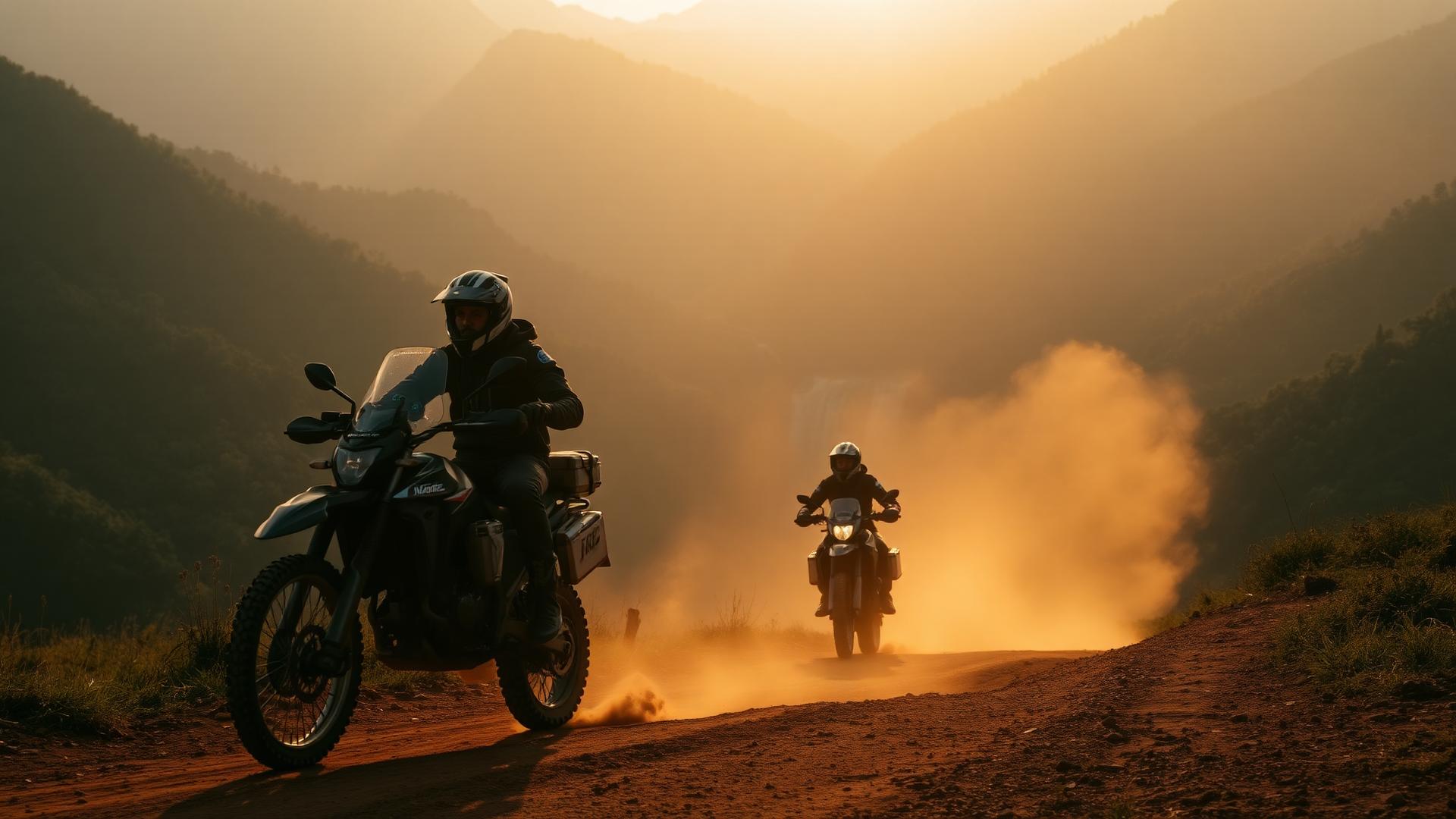
Adventure riders in West Africa
Riding With Purpose

RIDE SAFE Africa INITIATIVE

A legacy programme of The UK–West Africa Adventure Challenge

A road safety, safe riding, and motorcycle accident victim support programme — beginning with a pilot in the Republic of Guinea, and built to grow across West Africa.

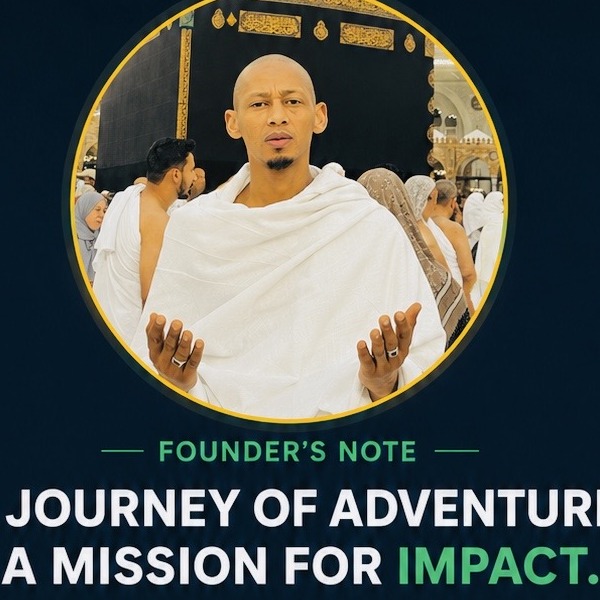
Boubacar Barry, Founder
Founder's Note

"As a Guinean originally from Guinea-Conakry, I've seen the risks faced by riders and road users first-hand. This initiative isn't about criticising what exists — it's about building something practical, together, that helps riders return home safely."

Boubacar Barry
Founder & Expedition Director, UK2WestAfrica Adventure Challenge
Founder, Ride Safe Africa Initiative
Why This Exists

A SAFER RIDING CULTURE

Motorcycles are essential to daily life across Guinea and West Africa — used by workers, traders, students, and families where cars or public transport aren't always accessible. But many riders begin riding without formal training, protective gear, or structured safety awareness, and in some communities very young riders can be seen operating motorcycles without adequate instruction.

A serious accident doesn't only affect the rider. It affects families, children, breadwinners, and entire communities. The Ride Safe Africa Initiative exists to close that gap — through education, protective gear, victim support, and long-term partnership, starting in Guinea.

Core Objectives

SIX WAYS WE DRIVE CHANGE

01

Road Safety Education

Safe road use, speed awareness, helmet use, passenger safety, visibility, and traffic discipline.

02

Safe Riding Training

Practical motorcycle safety workshops inspired by UK riding school standards, adapted to local roads and realities.

03

Helmet & Gear Distribution

Helmets, gloves, reflective vests, boots and jackets provided through sponsors, manufacturers, and donors.

04

Accident Victim Support

A dedicated fund for motorcycle accident victims and families facing medical costs, disability, or hardship.

05

Youth & Community Awareness

Educating young people, parents, schools, and transport unions on the risks of untrained riding.

06

Government Partnership

Working with Ministries of Transport and Interior, police, hospitals, and local authorities on a national safer-riding culture.

Programme Structure

FIVE PILLARS

The Ride Safe Africa Initiative operates through five connected pillars — from grassroots education to a national campaign carried by the expedition itself.

01

Safe Riding Education Workshops

Practical, plain-language training on helmet use, braking, road positioning, night riding, weather conditions, and emergency response — delivered in local languages where appropriate.

TrainingLocal Languages
02

Helmet & Safety Gear Campaign

Donated helmets, gloves, reflective vests, jackets, boots, and first aid kits — prioritised for young riders, commercial and delivery riders, and workshop graduates.

Gear DonationsPriority Riders
03

Motorcycle Accident Victim Support Fund

Emergency medical contributions, rehabilitation and mobility support, and hardship assistance for families — decided transparently on severity, need, and verified circumstances.

Victim FundTransparent Criteria
04

Youth & School Awareness

School talks, youth club workshops, parent sessions, and 'Young Rider Responsibility' campaigns — reaching riders before unsafe habits form.

SchoolsYouth Campaigns
05

National Campaign Linked to the Expedition

The UK2WestAfrica ride itself becomes a moving safety campaign — school visits, safety demonstrations, helmet distribution, and survivor stories shared along the route.

Expedition-LedMedia & Storytelling
The Pilot

STARTING IN GUINEA

Guinea is the natural starting point — it's where the founder is from, motorcycle use is widespread, and formal safety education is limited in many areas. The pilot will focus on Conakry and one regional town with high motorcycle use.

  • Official launch event with local authorities
  • Community road safety day
  • Safe riding workshop for 50–100 riders
  • Helmet distribution campaign
  • School or youth awareness session
  • Hospital visit or victim support assessment
  • Media coverage and impact reporting
First Pilot Phase Targets
100–300
Riders Trained
100–500
Helmets / Safety Items Distributed
5–20
Accident Victims / Families Supported
2–5
Schools / Youth Groups Engaged
Pilot Budget

A detailed cost breakdown for the Guinea pilot — training, gear, victim fund seed money, and logistics — is available on request for sponsors and grant partners.

Measuring Impact

FIRST-YEAR TARGETS

500
Riders Trained
500
Helmets / Safety Items Distributed
10
Schools / Youth Groups Reached
25
Accident Victims / Families Supported
5
Local Authority Partnerships

Ride Safe. Protect Life. Support Victims.

A helmet today can save a family tomorrow.Ride with skill. Ride with respect. Ride to return home.No rider should be left behind.Adventure with purpose. Safety with impact.

HELP US BUILD A SAFER FUTURE

Whether you're a manufacturer, riding school, grant funder, or an individual who wants to help riders return home safely — there's a role for you in the Ride Safe Africa Initiative.